
The Future of Eurosummer
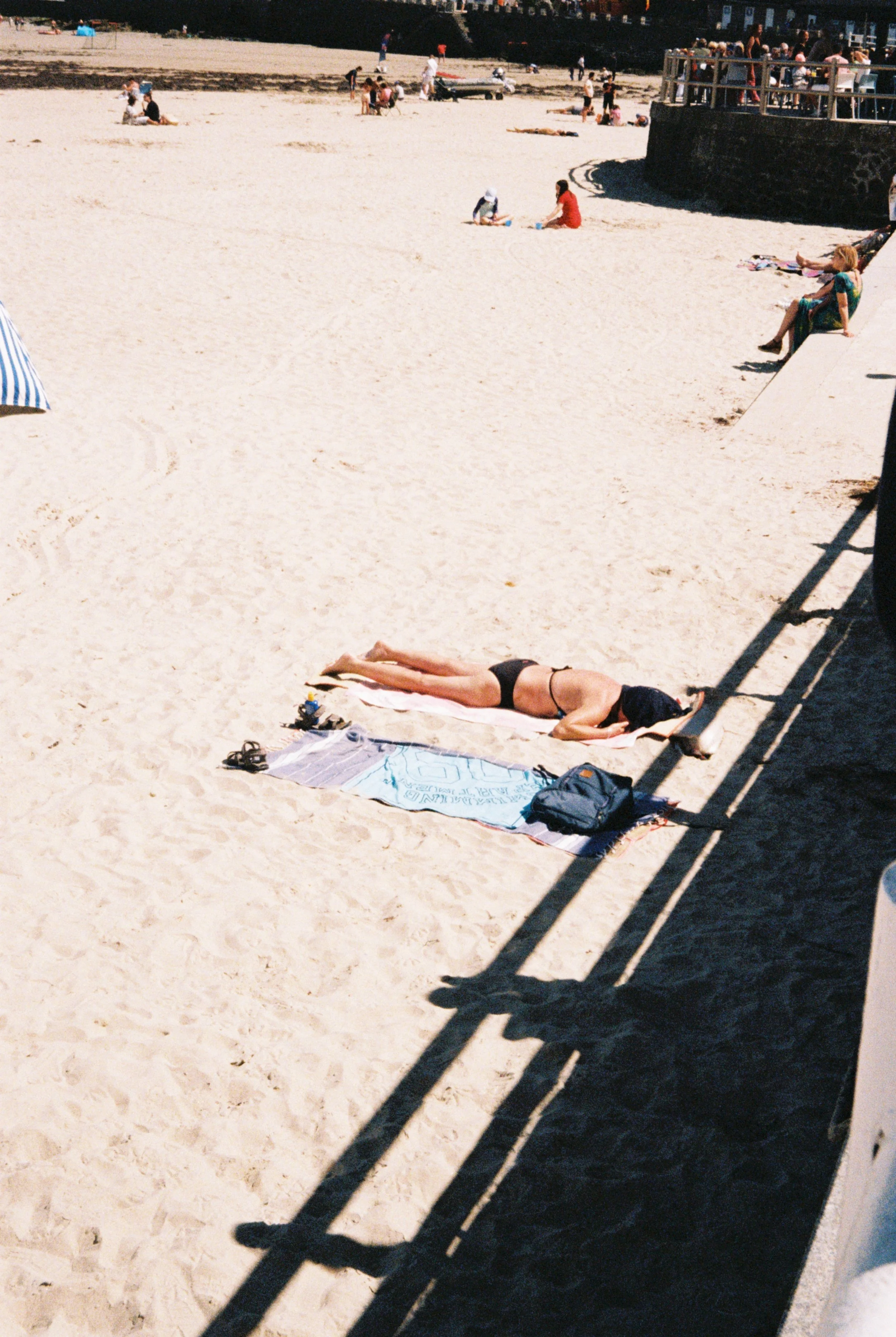
Heatwaves r Us
The annual Eurosummer content drops like clockwork, like the bright orange rows of spritzes lining the outdoor tables at seaside bars. It’s a highly curated dream of high-noon, seaside leisure, sun-drenched cities, striped umbrellas, and linen-clad bodies lounging by the Mediterranean.
Brands seeking cultural relevance have broadcast this image of the "picture-perfect" continental life for quite some time now, but there is a hypocrisy at play here. While campaigns and content still promote a fantasy of the High Summer beach-goers, the people behind those stories are changing their behaviors. Across Europe, teams are increasingly booking retreats to cooler northern climates or staying put in, waiting to take winter sun holidays.
Eurosummer is hitting earlier, harder, and faster. As seasonal temperatures increasingly inch ever closer to - or even rise past - 40°C, we are left with a burning question: How long can Europe remain the world’s holiday destination when the it is physically overheating? What does the future of Eurosummer look like?
Climate Changing Behaviours
There is a clear mismatch between our inherited imagination of Summer, the stories brands sell and the changing realities on the ground. The climate is changing, and our daily behaviors are being forced to adapt to survive the high-sun hours.
According to data from the European Travel Commission (ETC), a massive 81% of European travelers now report that climate change is actively influencing how they plan their trips. Perhaps, no surprises there?
Three signals we’re keeping an eye on here at nouvôt:
1. “Cool-cation”
Not a fan of the term but it can’t be a surprise to anyone, that the first behavioural change would be European tourists escaping the heat. Bookings in Northern Europe, specifically Norway, Sweden, and Finland, are seeing double-digit spikes as tourists seek comfortable, moderate climates during the peak Summer season.
2. Nocturnal Pursuits & Early Birds
With midday temperatures unsafe, behaviours are changing to seek out water, shade, and air conditioning, cooling down and socialising by the water. Perhaps we are the original data centres. New habits, daily rhythms and patterns emerge as people maximise cooler hours in the early-morning, staying shaded in AC during the brutal midday sun, and emerging only for sundown, late-night social hours.
3. Seasonal Migration
Peak summer (July and August) is slowly becoming untenable in southern coastal areas. A landmark study by the European Commission’s Joint Research Centre (JRC) projects that under a 4°C warming scenario, July tourism demand in Southern Europe could plummet by nearly 10%, while shoulder seasons like April see a massive surge of nearly 9%.
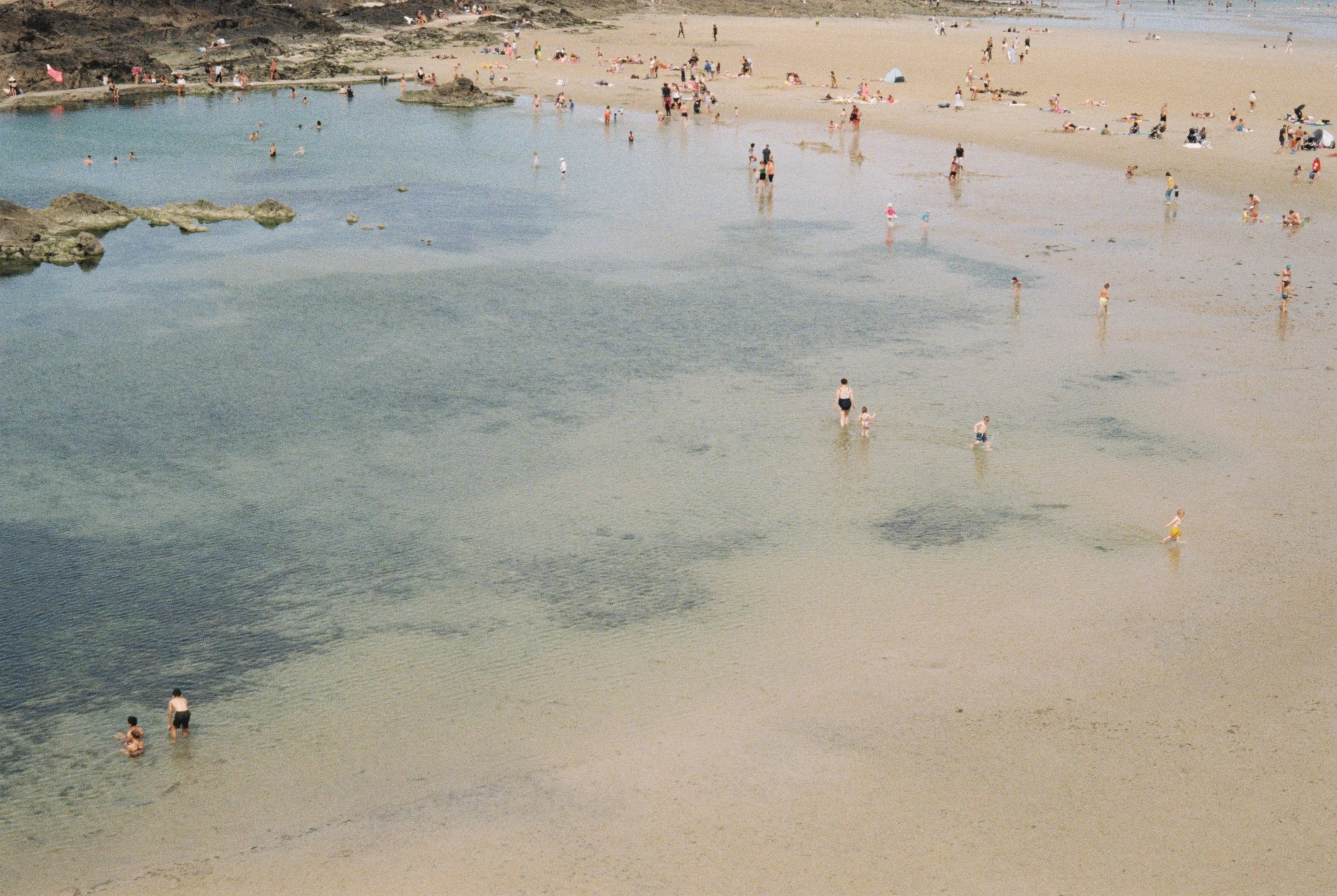
We are the original data centres
Better Futures, By Design
As the climate changes, so too must our fantasy of Summer: from education on water safety, hydration and forest fires, to trading windows, retail and content calendars. Brands seeking future cultural relevance cannot keep pitching the same high sun fantasy. This means there are new opportunities and challenges ahead for future brands communicating summer:
The Quick Fix: Aesthetically-driven accessories are evolving out of pure necessity. The future belongs to natural, highly breathable fibers, UV-blocking parasols, and beautiful, handheld fans designed for a world where cooling down is the priority.
The Year Ahead: If weddings, garden parties, and festivals are being canceled or adjusted due to extreme heat waves, the marketing of event-wear must adapt alongside us. High-summer apparel trading windows (and therefore content strategies) are starting earlier, pivoting toward lightweight protective wear, and anticipating unpredictable weather risks.
The Long-shot: Elsewhere, there is a growing shift towards reading and intellect as status symbos - Partially with thanks to luxury "cool girl" brands like Miu Miu and Prada, and icons such as Dua Lipa, the vibes have turned to book clubs, salons and chess clubs. With this in mind, an opportunity emerges for Europe, the so-called Museum of the Western world, to lean into its literary and rich history for a new vision of tourism. A new path emerges for Europe minus its beach-first Summer tourism.
The Opportunity: Taking the coolcation to the next level, brands should consider the aspirational retreats in cooler climes and Eastern European forests. Think offline cabins deep in the secluded Scottish Highlands, or hiking and adventure-focused holidays in Scandinavian trails. Even simply tracing the rivers inland from the Sourthern European seasides offers a more shaded, riverside retreat.
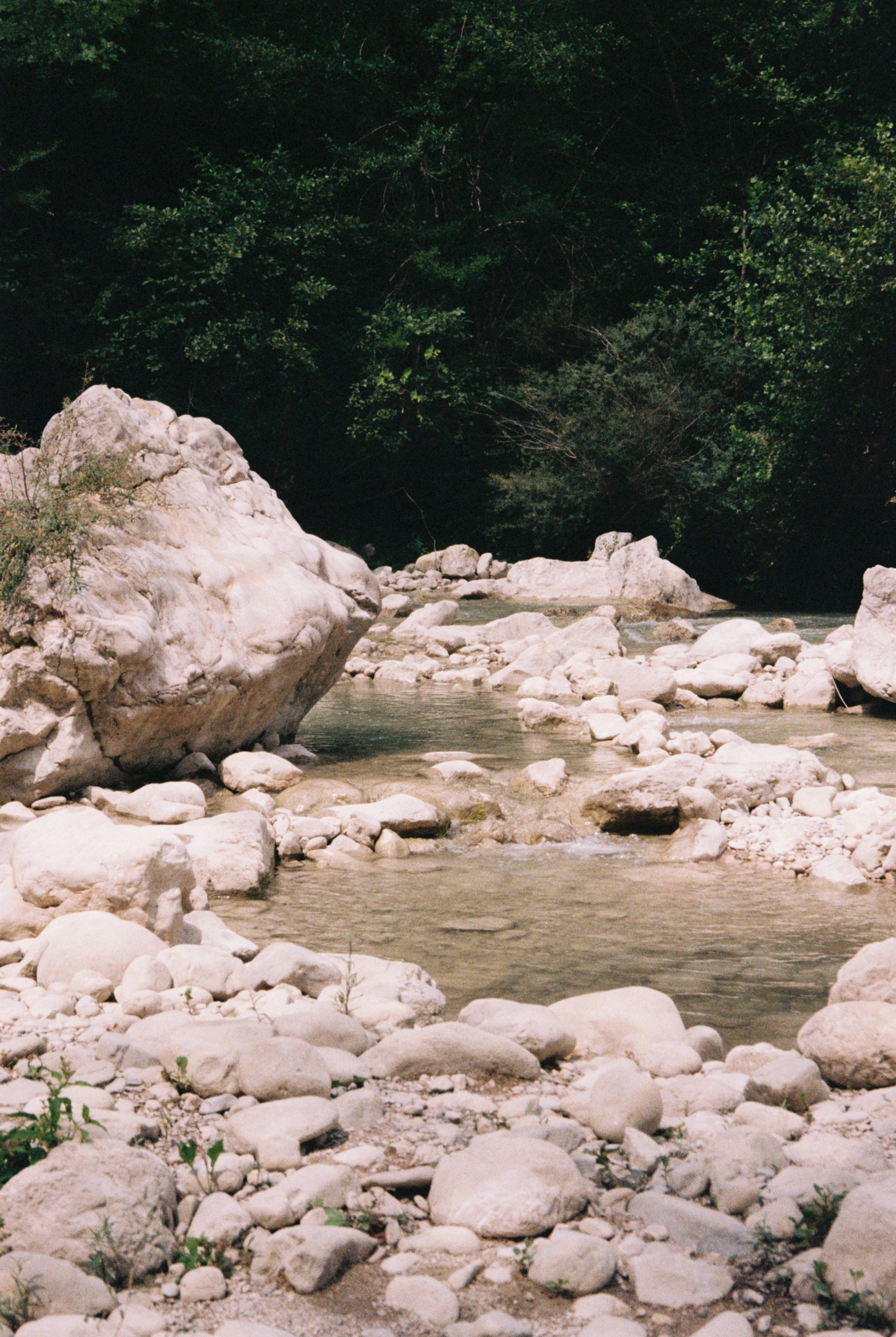
Cooling by the river
Get Shady
Europe is the most-visited region on Earth, but its holiday destinations cannot afford to remain solely reliant on tourism while ignoring their local infrastructure and citizens.
According to the World Economic Forum (WEF), the transition pathway for tourism must emphasise local environmental and social resilience. Extreme heat puts immense stress on water supply, energy grids, and emergency services.
Cities across Europe must invest heavily in creating urban shade: planting trees, reviving historic waterways, and introducing extreme heat education with the goal to protect both locals and visitors.
Bring This to Your Next Meeting
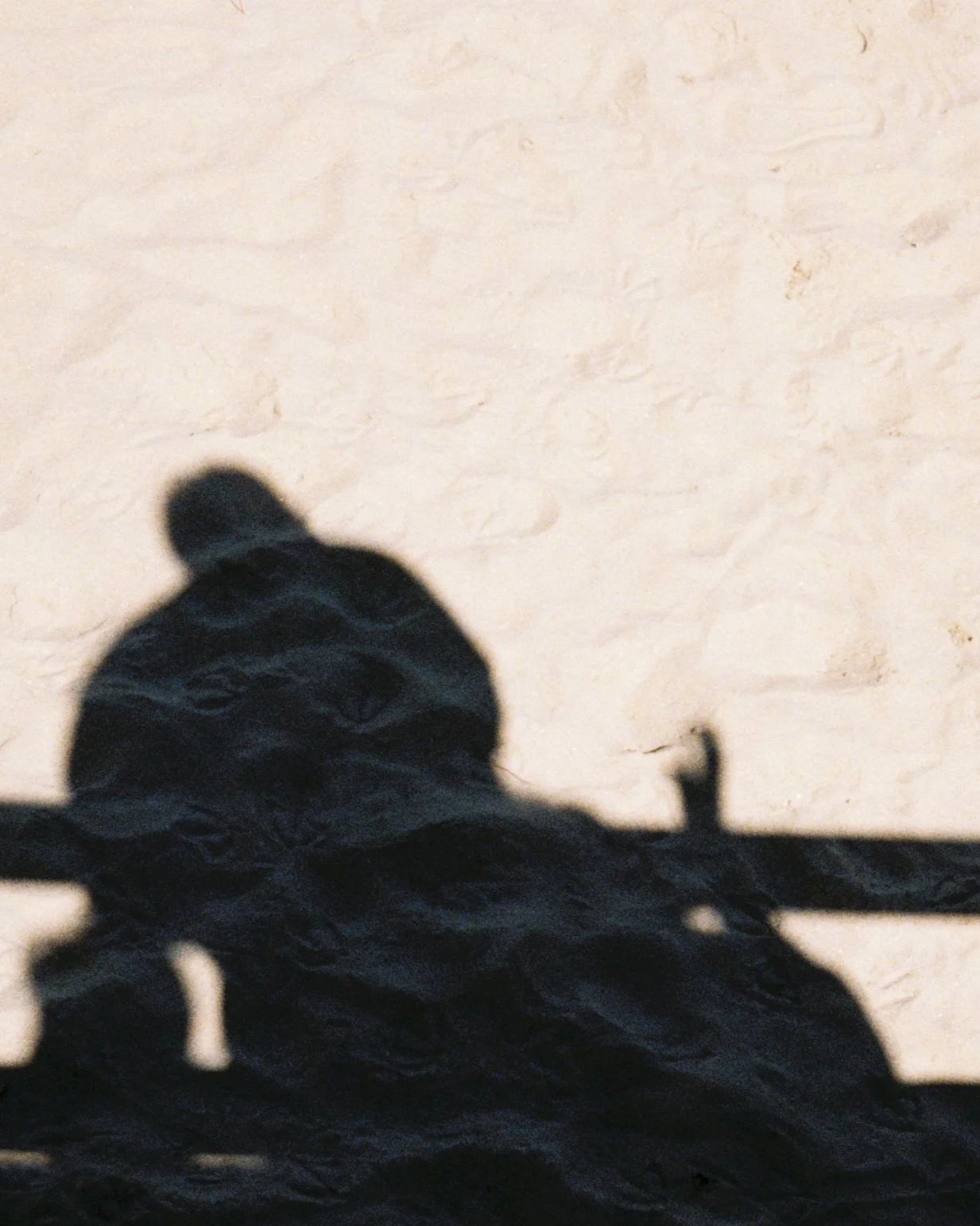
Selling shade
If you are still running midsummer campaigns built around beaches, tanning and spritzes, you are marketing a relic of the past. Use these three prompts to challenge your team's current seasonal strategy and assumptions:
What consumer behaviors and geographic locations are we still assuming take place in June, July and August? Are we blindly repeating these campaign structures year after year simply out of corporate muscle memory?
What actions do we need to take today to transition our product lines and launch calendars for a climate ten years ahead?
When we picture the future of Eurosummer, how hot is it? Who is making sacrifices to bring that to reality?
The future of Eurosummer won’t be beachside in June. It will be lived in the early morning air, the shade of a forest canopy, the cool waters of an alpine lake, and a more conscious, balanced way of enjoying the continent.
It’s time for brands to stop selling a climate that no longer exists or fantisising about a dystopian future, and start designing a better world we actually want to live in.
It is time to sell shade, not sunshine.
Want to bring this to your team to build better futures? Let’s talk…