
The Future of Gathering

Gathering is the most human activity but how, where, and why we meet is changing significantly. For generations, the calendar of human connection was dictated by predictable, mass-market infrastructure: the family get-together, your cousins wedding, the weekend sports match, the local community center, the mega-festival, the blockbuster cinema release. We gathered in large, heterogeneous groups, anchored by shared family, geography and broad cultural touchstones.
Today, that system has fractured. Under the many pressures of shifting demographics and digital exhaustion, the ways we find "our people" have drastically changed. We have mostly moved away from the mass-produced event and toward a hyper-curated mix of more fragmented, deliberate, and fiercely specific.
To understand where human connection is heading, we need to look at three present-day signals that — when connected — point to a fascinating tension: a deep desire to escape the digital noise, clashing directly with an increasingly fragmented social landscape.
A Note on Our Methodology: The scenarios outlined below are not concrete predictions or mathematical facts. In futures thinking, we look at present-day factual signals and project them ten years into the future to create "provocations." These speculative scenarios are designed to stretch our thinking, challenge our assumptions, and make it easier to tap into our collective imagination. They are tools to help us play with possibility, rather than map out a certainty.
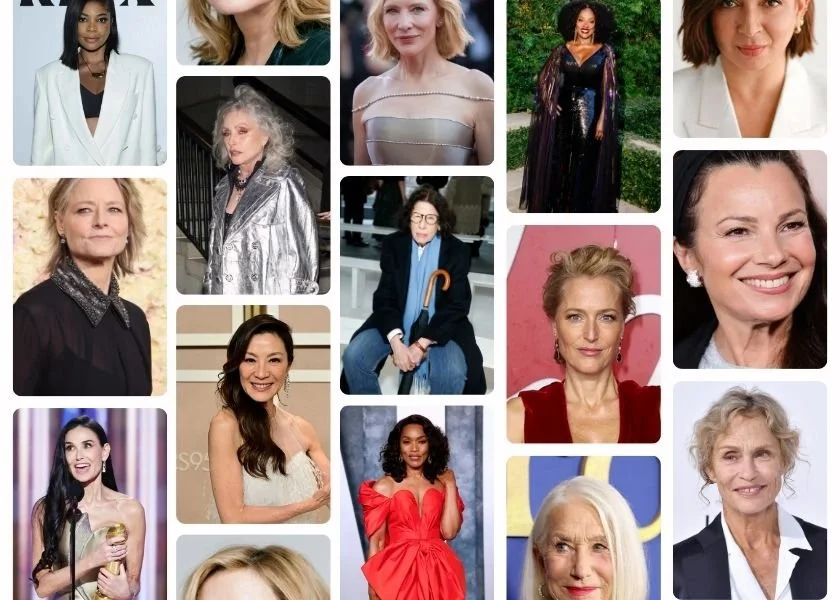
The age of the so-called “Silver Spenders”
Three Present-Day Signals
Signal 1: Ageing Populations
Right now, one in five Europeans is over the age of 65, the highest proportion in human history. Crucially, nearly 20% of these older adults live entirely alone. Isolation is no longer an individual crisis; it is a structural reality.
The 2036 Scenario: By 2036, public infrastructure from transport networks and parks to community centers, is strictly optimized for the needs of an aging majority. But the real shift happens in our social spaces. As local councils stop funding skate parks and youth festivals due to demographic shifts, the over-65s systematically co-opt the high street. Brunch spots, natural wine bars, and daytime galleries become the vibrant epicenters of senior social life.
The youth haven’t left; they’ve simply been demographic-shifted out of the room.
Prompts for discussion: Is this a future you want? How would we adapt in this future?
Signal 2: The Dumbphone Divide
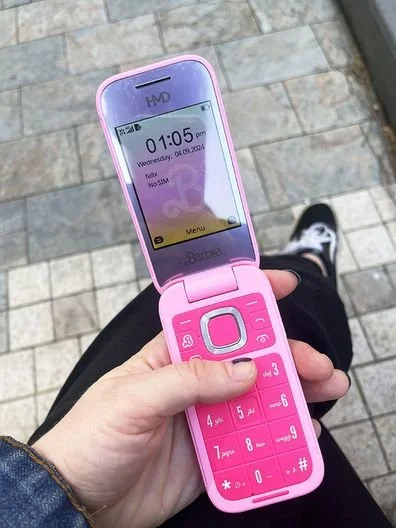
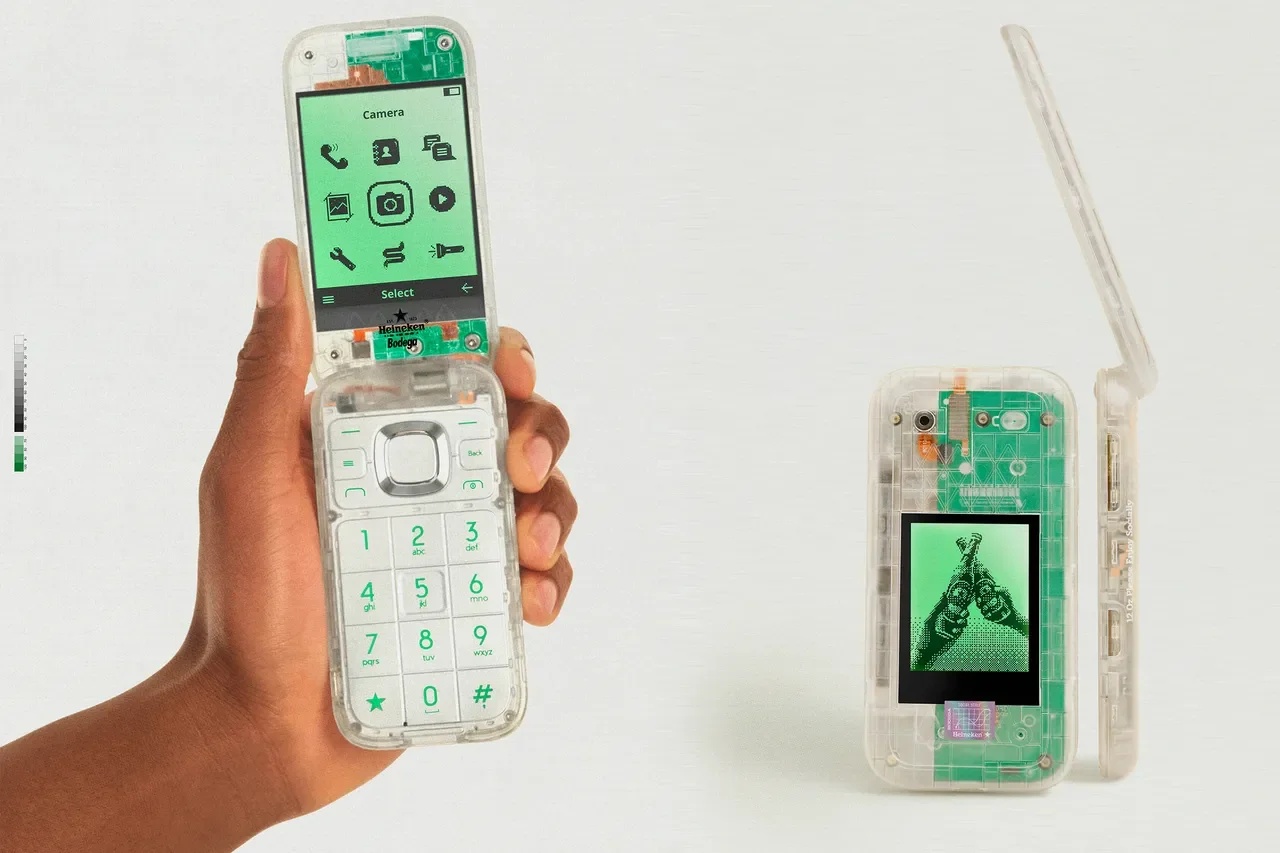
The fastest-growing phone category in Europe right now has no apps, no internet, and no social media. Driven primarily by under-30s seeking digital sobriety, Nokia’s recent relaunch of the iconic 3210 sold out across Europe within days.
The 2036 Scenario: A decade from now, friendship groups and gatherings are dictated not by shared interests, but by hardware choice. A stark social divide emerges between "smart" and "dumbphone" users. One group organizes instantly via algorithmic apps and fluid group chats; the other relies entirely on word-of-mouth, physical bulletin boards, or the radical act of simply showing up at a designated street corner at 4:00 PM.
Two distinct social worlds exist in the same city, operating on entirely different frequencies, with zero overlap.
Prompts for discussion: Who unexptectedly benefits from this future? What would you do differently in this future?
Signal 3: Weirdly Wonderful
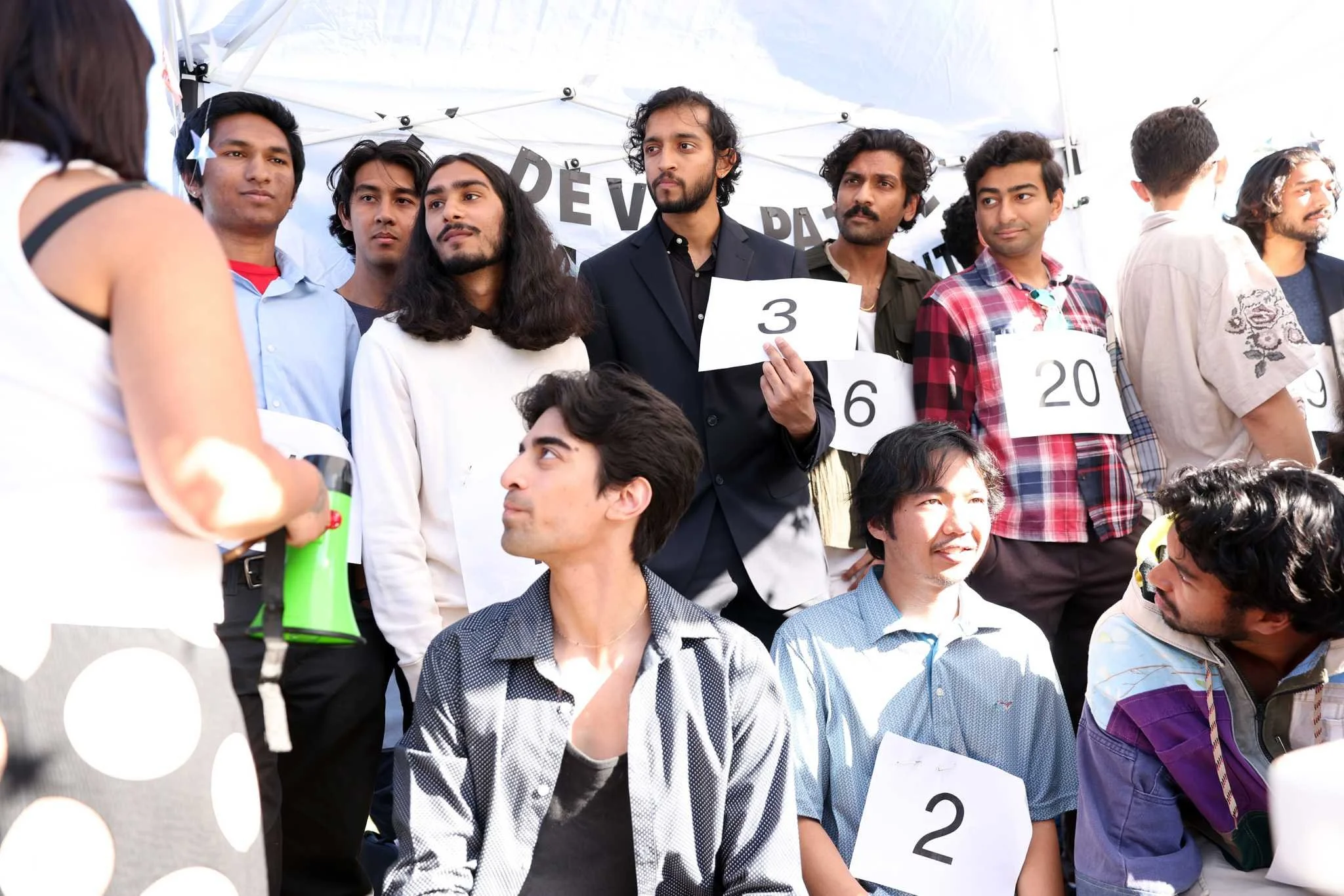
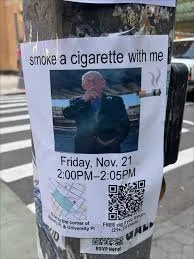
Our third signal lies in the collapse of monoculture. Look closely at the events capturing the cultural imagination today: they aren't massive spectacles, but hyper-niche, bafflingly specific gatherings. From Dev Patel look-alike contests and viral "watch me fold a fitted sheet" workshops, to "Smoke a Cigarette With Me" performance art and the World Toe Wrestling Championships.
The 2036 Scenario: By 2036, the unexpected is the mainstream. The universal, global calendar of events has collapsed entirely. The cultural dominance of the World Cup or the Olympics is a relic of the past, replaced by a hyper-fragmented ecosystem of opt-in, highly localized, DIY events created by and for micro-communities.
If an event doesn't cater to an intensely specific subculture, it simply fails to exist.
Prompts for discussion: What could be good about this future? What would you do to create or prevent this future?
The Tensions We Discussed
When we brought these signals to our community at the event, the conversation led to a series of fascinating, highly human contradictions.
The Intergenerational Yearning
While our future scenarios paint a picture of age-segregated spaces, the overwhelming consensus in the room was a desperate desire for intergenerational gathering. Attendees expressed a profound exhaustion with being siloed into age-bracketed events. Youth do not want to be cordoned off into digital echo chambers, and older generations do not want to be relegated solely to daytime bingo halls or isolated senior centers. There is a deep, unmet hunger for spaces that allow different generations to naturally collide, share craft, and anchor each other.
The Smartphone Paradox
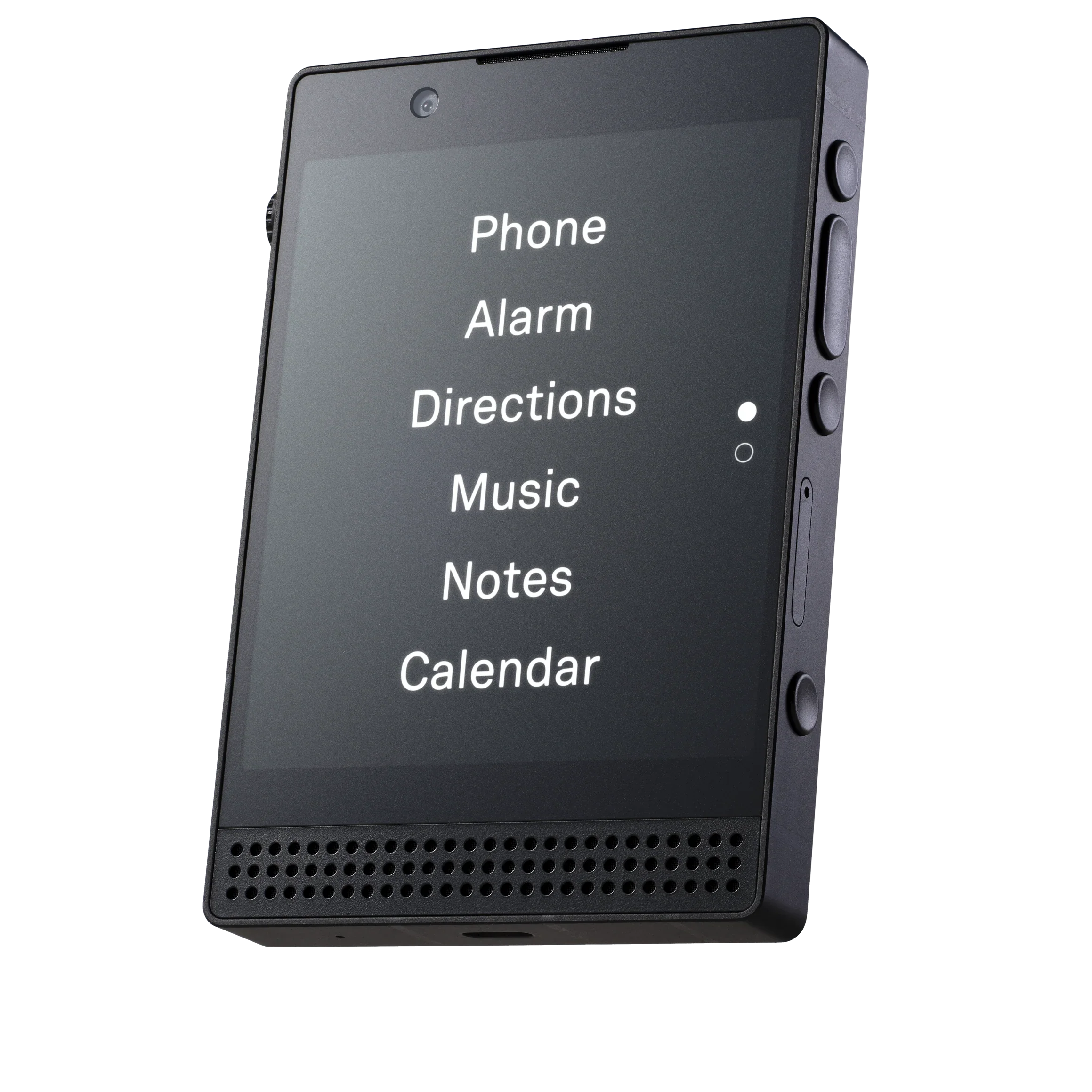
The discussion around the "dumbphone" revival exposed an unexpected cultural rift. While the majority of the room admitted to a desperate urge to dump their smartphones to escape the relentless pressure of the internet, a vocal minority flipped the script.
Far from feeling trapped, they championed the smartphone as an unparalleled engine for joy and spontaneous connection. They joked about leaning further into the technology, arguing that algorithms allow marginalized subcultures and niche communities to find each other in ways physical geography never allowed.
The question isn't just about screen time; it's a fundamental disagreement on whether technology isolates us or liberates us to gather better. Perhaps the future of smart tech is centred around its utility not addictive design?
What Needs to Change
If the future of gathering is left to market forces and algorithmic optimisation, we risk a future of deep fragmentation where we only gather with people who look exactly like us, think exactly like us, and use the exact same phone as us.
To fight this, we need to design spaces for intentional collision:
Move Beyond the Demographic Silo: Creative spaces, hospitality brands, and urban planners need to stop designing exclusively for "Gen Z" or "Seniors." We need to build third spaces that treat age not as a target market, but as a complementary ecosystem.
Accommodate the Disconnected: As more people choose to step off the digital grid, our physical spaces must remain accessible to them. If your event requires a QR code, an app download, and a digital ticket just to cross the threshold, you are actively locking out a growing segment of society seeking real-world presence.
Protect the Hyper-Niche: The rise of the "weirdly wonderful" proves that people want to be active creators of their culture, not just passive consumers of mass entertainment. We must safeguard affordable, physical spaces where micro-communities can experiment, fail, and get weird.
The future of gathering shouldn't be about choosing between total digital immersion or total isolation. The goal is to build a world where we can step away from our screens and step into a group that connects us.
Key Questions From The Event
As you think about how you cultivate community in your own life and work, consider the questions our attendees at Good Futures worked through:
If public infrastructure is increasingly co-opted by an aging majority, where will the next generation go to rebel, experiment, and create?
How can your organization host an event that is equally accessible and appealing to a 22-year-old and a 72-year-old?
If a core part of your community decides to throw away their smartphones, how will you let them know where and when you are meeting?
When we gather today, are we seeking true human connection, or are we just looking for a real-world mirror of our online echo chambers?
Behind the Scenes & How We Designed the First Good Futures
Talking about the future can be a fraught exercise. It often brings up feelings of vulnerability, anxiety, and helplessness. That is why this inaugural event was intentionally designed to be small, cozy, and grounded. We met in a public third space: a lush, sunlit park in the height of summer, to remind ourselves of the simplest, most fundamental way humans have always gathered.
To break the tension and make the future feel like something we can actively shape, I facilitated the session using custom-designed prompt cards and paper "fortune tellers". By injecting playfulness, nostalgia, and tactile interaction into the process, we moved past the fear of the unknown and stepped into a space of genuine creative collaboration.
If you want to bring this playful, experimental approach to your own team, community, or next event to unpack what the future holds for you, let’s collaborate.