
The Future of Fashion
Fashion is an industry full of contradictions. Often dismissed as shallow and frivolous, it is our primary medium for self-expression, status aspiration, anxiety, belonging and at its most essential: protection from the elements - clothing us from the cave to the moon. But below the fantasy world of fashion, lies an extractive industry, valued globally at $1.8 trillion, a behemoth we have a tendency to overlook.
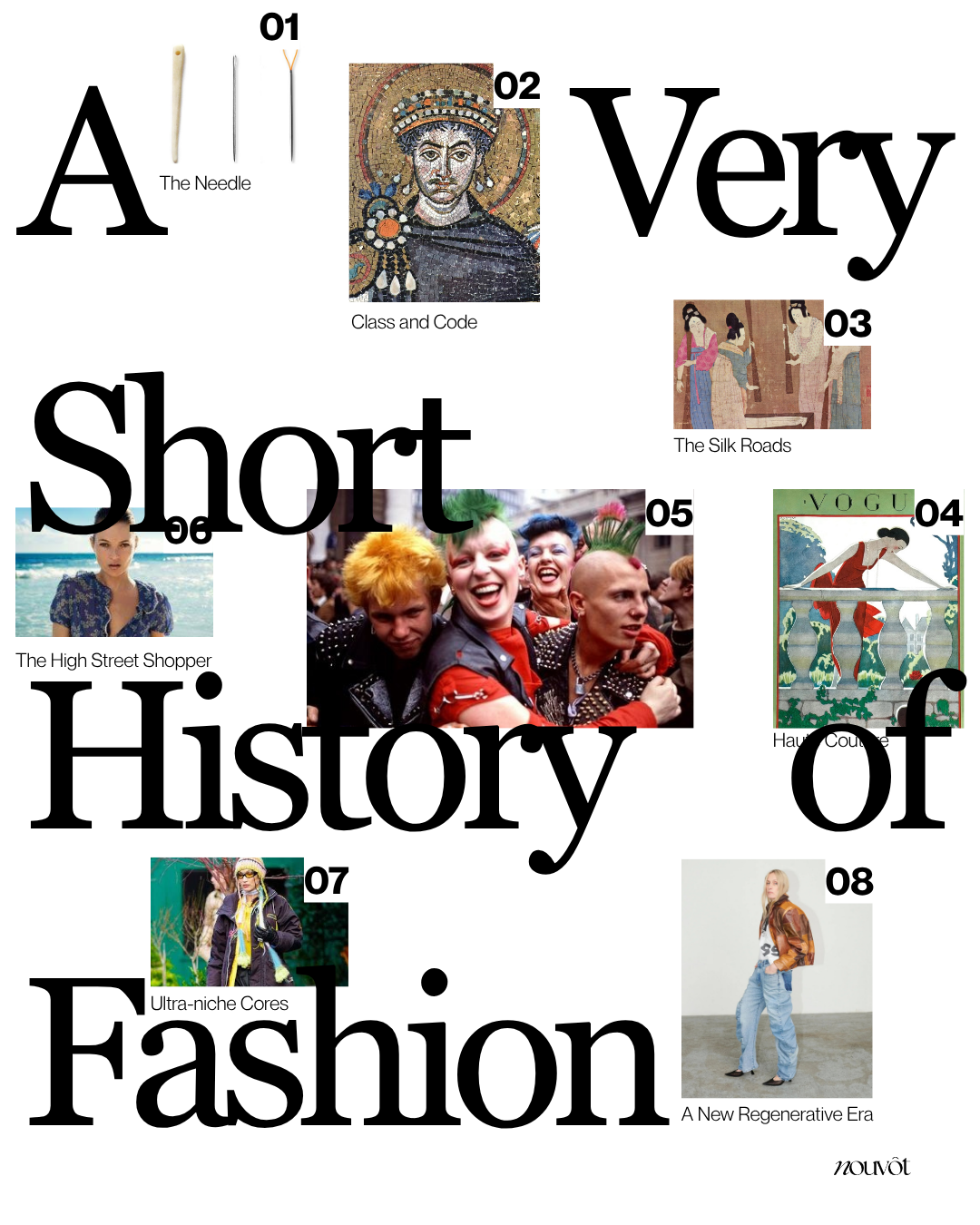
Throughout history, what we wear has evolved alongside technology and social movements: from the needle and loom to laser-cutting, from Haute Couture to mass production and ultra-fast fashion and from trickle-down class-based fashion trends to subcultures bubbling up to ultra-fast, niche #cores.
Today, as tech leaps into automation and we adapt to our changing world, the role of fashion - what, why and how we wear it - changes too. Regulatory mandates are catching up to extractive, opaque supply-chains as ultra-fast brands such as Shein and Temu continue to flood markets, resale platforms such as Vinted become profitable and the younger, Quarantine Cohort no longer create trends but follow them, as the 50+ “Silver Spenders” become the new, marketable demographic in our ageing population.
Between the mismatch of our inherited imagination of fashion, its extractive and expoitative systems versus the stories brands sell and the changing world around us lies a burning question:
What will we wear in 2036? What do we want the future of fashion to be?
Signs
+
Signals
+
Signs + Signals +
-
We no longer watch the same television broadcasts, stream the same music, or share universal cultural moments; instead, media consumption is fractured into hyper-personalised algorithmic bubbles.
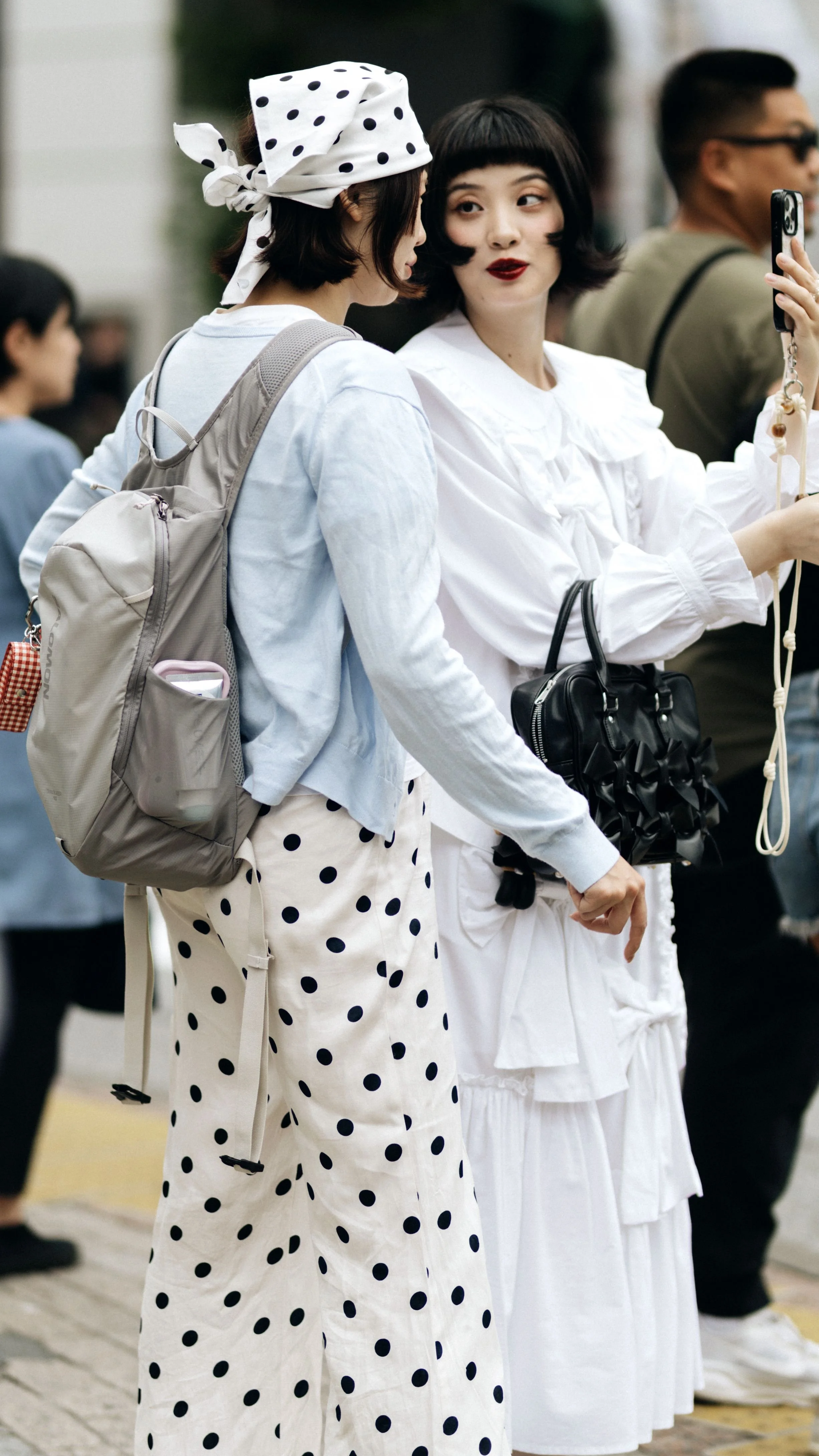
Because fashion is a primary vehicle for expressing identity and belonging, trends now mirror this fragmentation. Instead of subscribing to monolithic trends dictated by legacy institutions, shoppers buy into ephemeral, social-first nano-trends e.g. #gorpcore to #officesiren designed for hyper-specific online communities.
Over 60% of Gen Z consumers report that their fashion choices are driven primarily by algorithmic niche subcultures on social media rather than mainstream media or traditional runway cycles.
This hyper-fragmentation creates a critical tension: it is harder than ever to become a major industry player without starting all-in on a niche community. When mass-market plays attempt to scale without authentic subcultural roots e.g. the rapid drop-off surrounding generic celebrity drops like SYRN, they fail to understand their community and build lasting affinity. Fast fashion risks eating itself alive trying to overproduce for endless micro-niches.
Conversely, this algorithmic fatigue sparks a counter-culture: inspiring people to step away from hyped up drops and start crafting, altering, and customising their own garments to reclaim their identity through the clothes they wear.
-
The linear "take-make-waste" model is beginning to give way to the emerging ecosystem of circular fashion services.
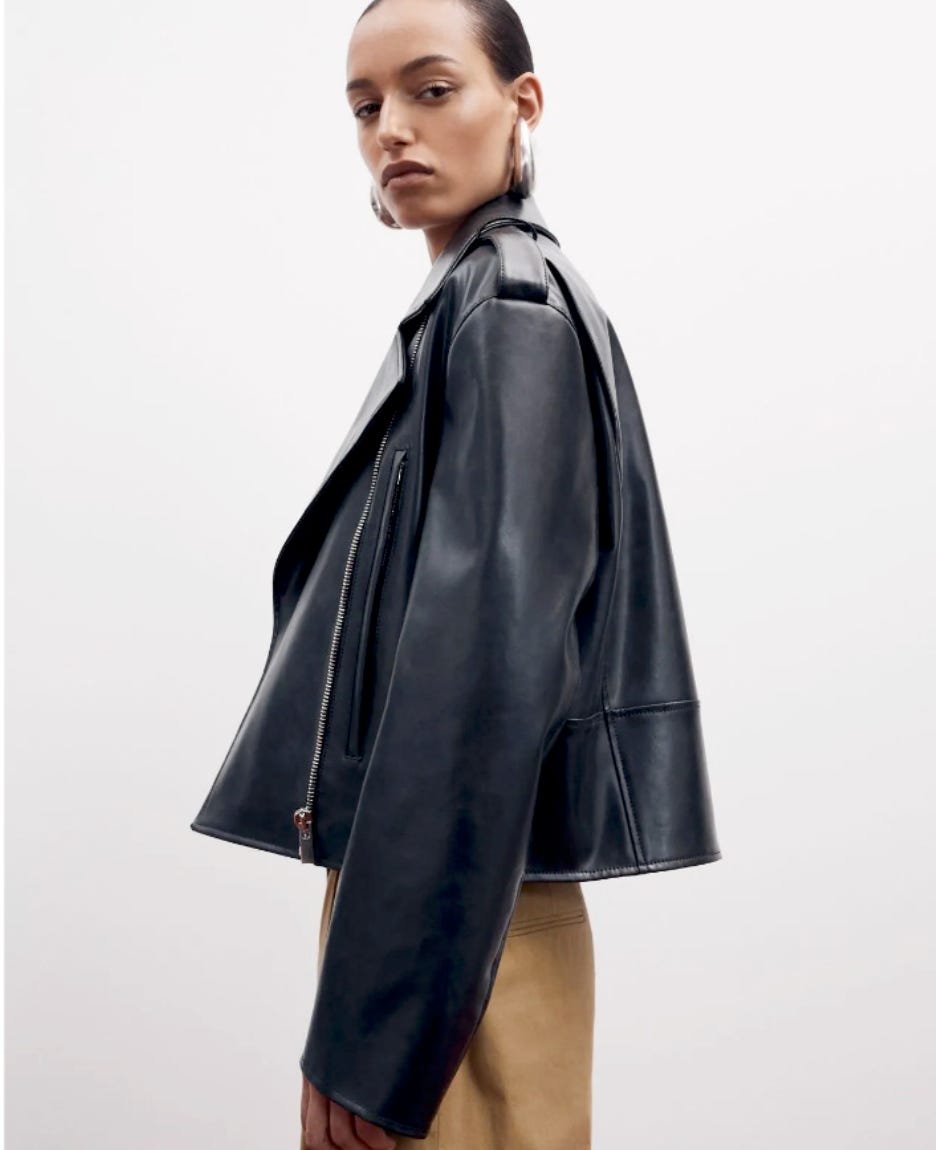
Care and repair are on the rise through services like SOJO and The Seam, while platforms like Studio Phini (formerly Loom) offer bespoke upcycling and personalisation. Rental networks like By Rotation thrive alongside digital wardrobe management apps like Indyx and Whering, which continue to secure major investment. The global secondhand market is projected to reach $367 billion by 2029. Resale platforms like Vinted have turned profitable, with Depop, Sellpy, and Vestiaire Collective proving that secondhand is rapidly overtaking firsthand retail.
Conscious fashion icons like GANNI and Stella McCartney - while not perfect - show how brands can embed conscious consumption into a cool-girl ethos. Crucially, the rollout of Digital Product Passports (DPPs) is turning supply chain transparency into a brand strategy opportunity. Innovators like Donatella Belloni’s Alu (winner of the H&M Foundation Global Change Award) are leveraging DPP technology to turn garment provenance into rich brand lore.
Opportunity remains: adaptive fashion is an untapped $30.31 billion market serving the 1 in 5 Europeans living with a disability alongside an aging population seeking longevity. Yet almost no mainstream circularity or repair platforms are actively marketing services specifically tailored for adaptive garments. This leaves a deeply engaged demographic that actively seeks out mending and alterations wildly underserved.
-
Changing climates such as this year’s heatwaves are directly altering our behaviors and wardrobe choices. From increasing demand for hand-held fans and UV-blocking umbrellas as fashion accessories and early-morning or nocturnal pursuits informing how we dress, or simply how we dress in higher temperatures.
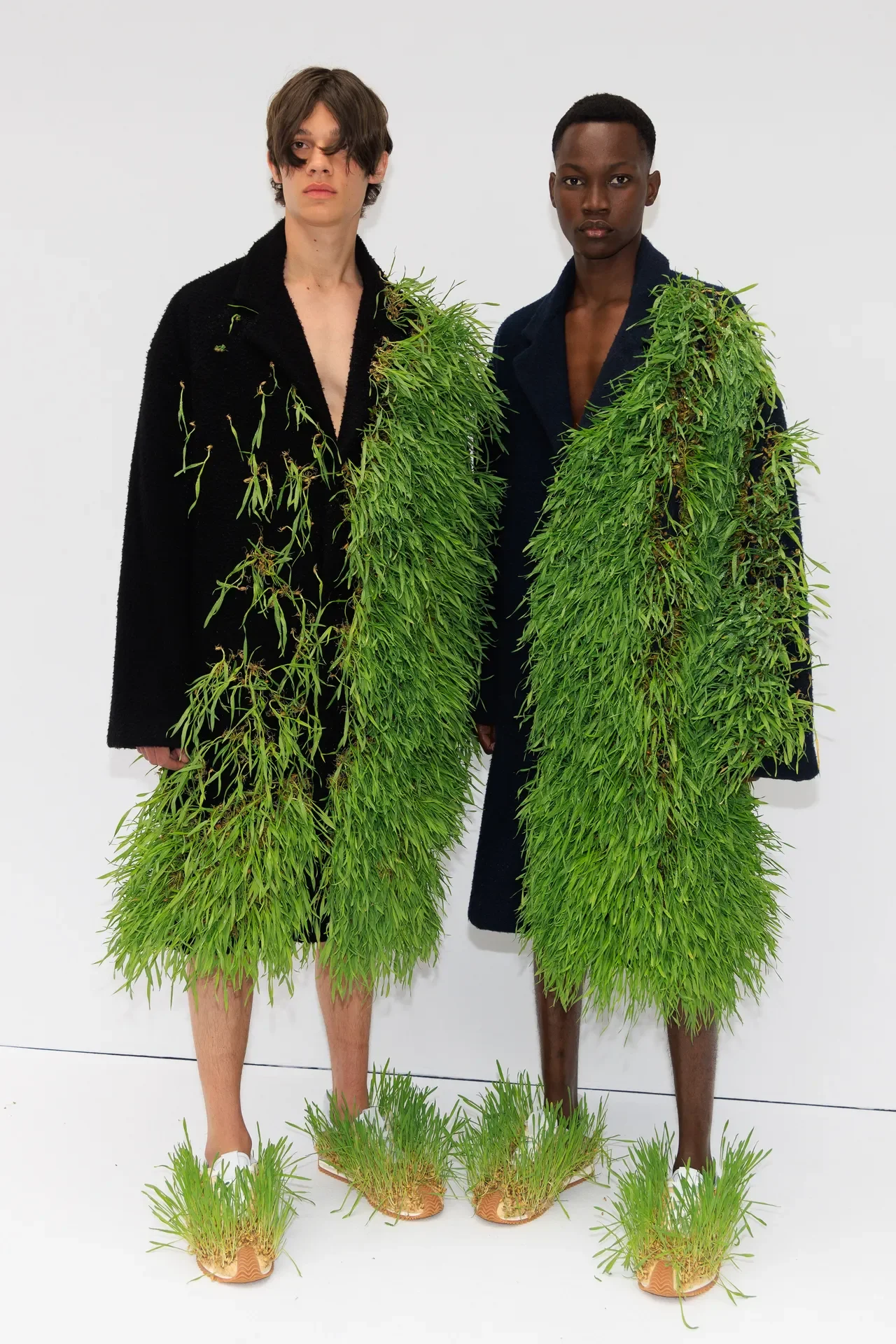
Enter: material innovation and taking a regenerative approach to fashion textiles. Biotech innovators like Post Carbon Lab’s are creating living photosynthetic garments coated in micro-algae that absorb CO2.
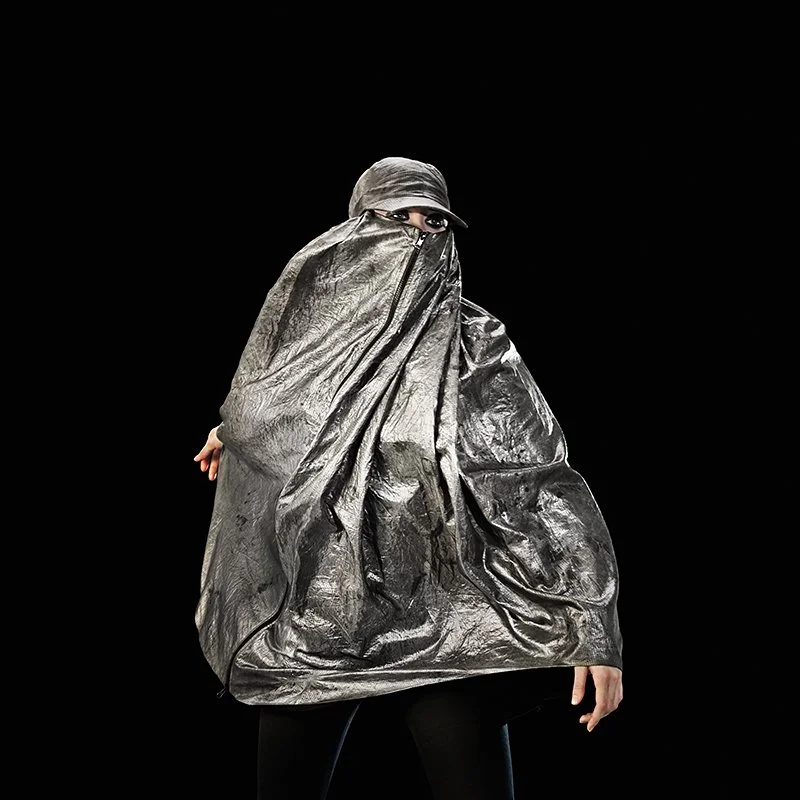
Simultaneously, public surveillance and wearable tech is driving "adversarial fashion" - garments by brands like Cap_able featuring algorithm-confusing textile designs.
Yet in an age saturated with synthetic automation and generative AI, a very real desire for physical craft is re-emerging. Initiatives like the Homo Faber Foundation highlight a rising need to preserve heritage hand-craft, tactile embroidery, and human technique.
Through these signals we can imagine futures where we may wear camera-dazzling patterns, reflective caps, living garments that need watering or anti-automation artisanal aesthetic; structural or beaded or frays, edges and all.
Seen together, these signals outline changes for fashion and a new system emerging if we want it.
The pressures reshaping the future of fashion and what we will wear in 2036 go beyond a single catalyst. We are living in a BANI world. That means, a landscape that is Brittle, Anxious, Non-linear, and Incomprehensible. Extreme weather breaks down material supply chains and the certainty of our consumer needs; pervasive surveillance coupled with polarizing culture wars fuels public anxiety; consumer behaviors change abruptly without linear cause-and-effect; and AI slop creates an incomprehensible flood of synthetic noise across our feeds.
How to make sense of these systems as they change? Enter: The Two Loop Model.
The Dominant vs. Emerging Systems
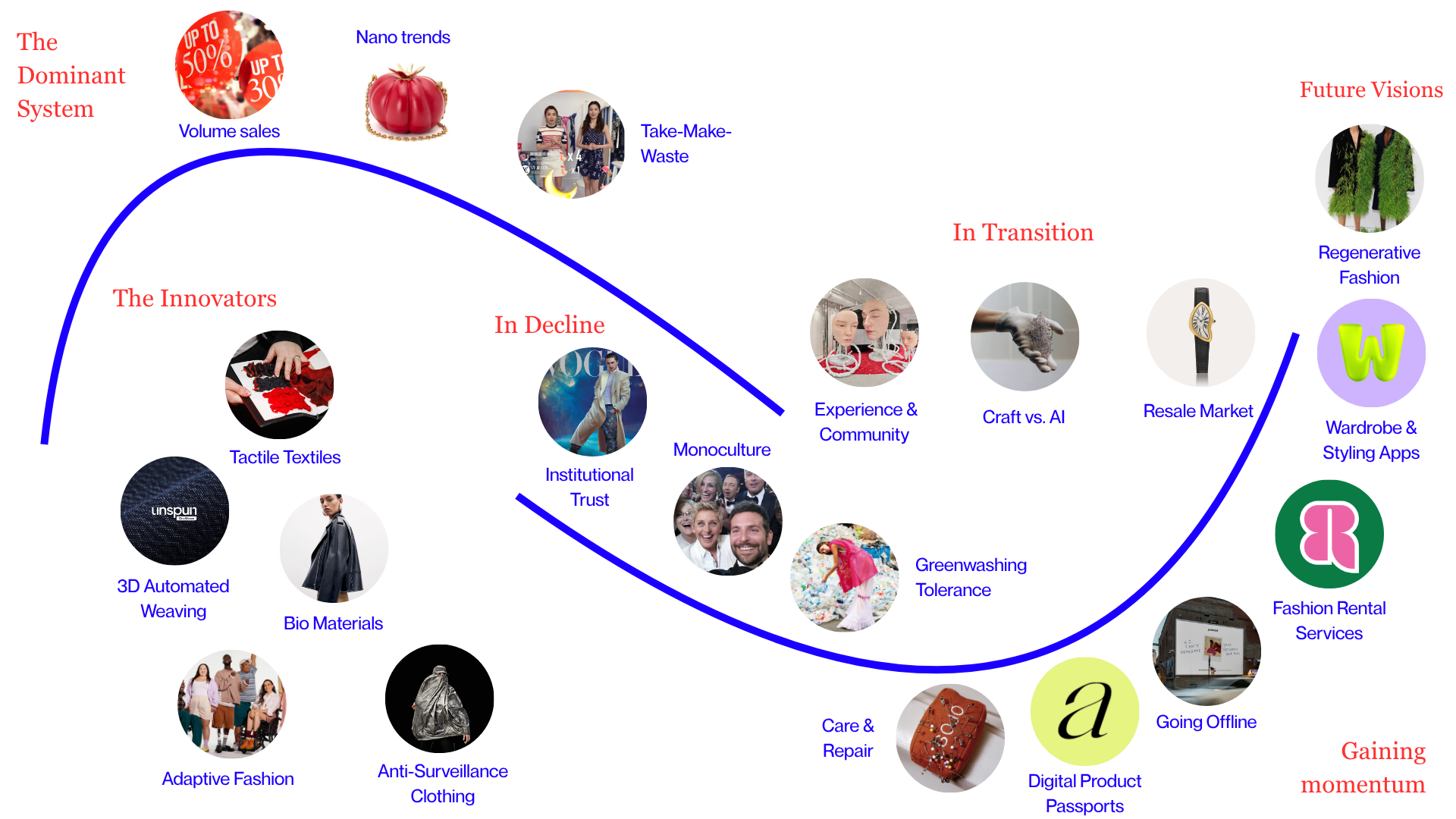
A dominant system is not an eternal system. The disposable, perma-discounted, ultra-fast and accelerating system is a signal of a system reaching its peak before becoming a dying world, with a new, regenerative one trying to be born.
As the Berkana Institute’s Two-Loop Model illustrates, systemic change happens when an established paradigm reaches its peak and declines, while an emergent paradigm rises to replace it.
Our job as industry leaders is to hospice the extractive linear model—managing its decline—while birthing a regenerative, care-centered system.
Better Futures, by Design
In the future, we will still use colour, shape, texture and style to express our mood and identity. We will still imitate, rebel, experiment and reinvent ourselves. Fashion will continue to tell stories about individuals and societies.
The future of fashion, then, is not just about smarter clothes or more advanced technology. It is about redefining the relationship between people, materials and meaning. To bring fashion back to style and belonging, we must ground it in what people crave most: real community, local presence, and authentic craft.
The Quick Fix: Internally switch to intergenerational psychographics & adaptive longevity. Step away from narrow youth demographics toward intergenerational psychographics. "Silver spenders" seek durability, quality, and longevity; integrating adaptive features into core collections serves both disabled communities and aging bodies immediately. Brands can build immediate community value by hosting local, in-person gatherings—mending circles, styling salons, and repair workshops—that bring multi-generational audiences together around shared style and care.
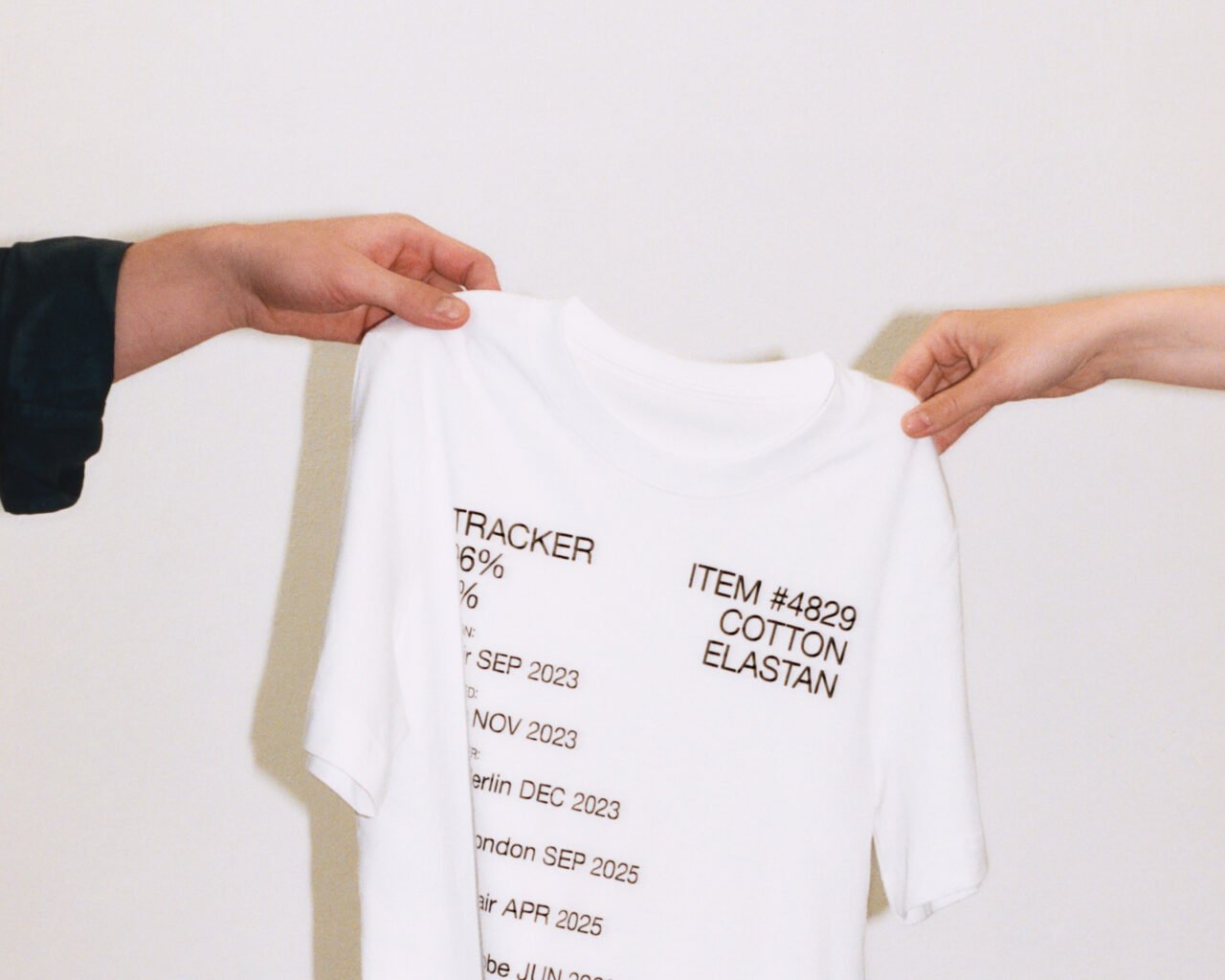
Alu helps fashion brands build connected experiences their customers love, using digital product passports.
The Years Ahead: DPP implementation & brand storytelling. Treat Digital Product Passports not as a regulatory burden, but as a strategic storytelling asset. Prepare your internal data and infrastructure now to track garment origin, materials, and care history—using DPPs to weave authentic brand lore directly into the garment's digital identity. Check out ALU, the pioneer in this space or take Nobody’s Child and their pilot programme with DPP’s as the best-case example of experimenting with the new opportunities.
The Long Game: Legislating tech & elevating craft. Advocate for policy that legislates invasive, non-consensual surveillance tech. While surveillance tech can be enriching for those who need it for accessibility (visibility, hearing, sensory navigation), let’s be honest that it is currently being marketed to the worst actors on the planet. Instead, re-invest creative capital into craft and design, developing communities and initiatives to educate how garments are made and how they can be cared for.
The Opportunity: Selling value over volume. Shift business models from disposable take-make-waste, to long-term garment care and legacy. Consider the experiences, services and expectations future customers will have as new opportunities to lead in your market. Framing fashion as an investment prompts us to ask ourselves a fundamentally regenerative question: who will wear this piece after us?
Take This To Your Next Meeting
It’s time to sell value, not volume.
If you are still running perma-discounted campaigns built around overstock, linear trends, and disposable novelty, you are supporting a dying system. Use these three prompts to challenge your team's strategy ahead of Q4:
On System Leadership:"Where do we sit on the Two-Loop Model? Which system are we currently supporting with our brand initiatives, and why?"
On Strategic Risk:"Is this the system we actually want to support in line with future visions of fashion? If not, what is blocking our transition, and what is at risk if we do or don't take action today?"
On Technology & Storytelling:"What is our current status on Digital Product Passports (DPPs), and what do we need to prepare for full implementation? Have we factored brand lore and provenance storytelling into this technology?"
The future of fashion won't come into being by maintaining the dominant system of declining quality for increased margins. We will design and create it in growing adoption and resilience to care and repair services, adaptive and human-centred design, regenerative materials, and a revival of human craftsmanship.
Time for brands to stop designing for a disposable world. It’s time to sell value, not volume.
Good Futures No.03 on The Future of Fashion will take place at Absent, Lisbon on Wednesday 2nd September at 6.30pm. Get your ticket via Luma here.
Want to bring this to your team to build better futures? Let’s talk…