
Say Less: The Case for Quiet Influence
The Background
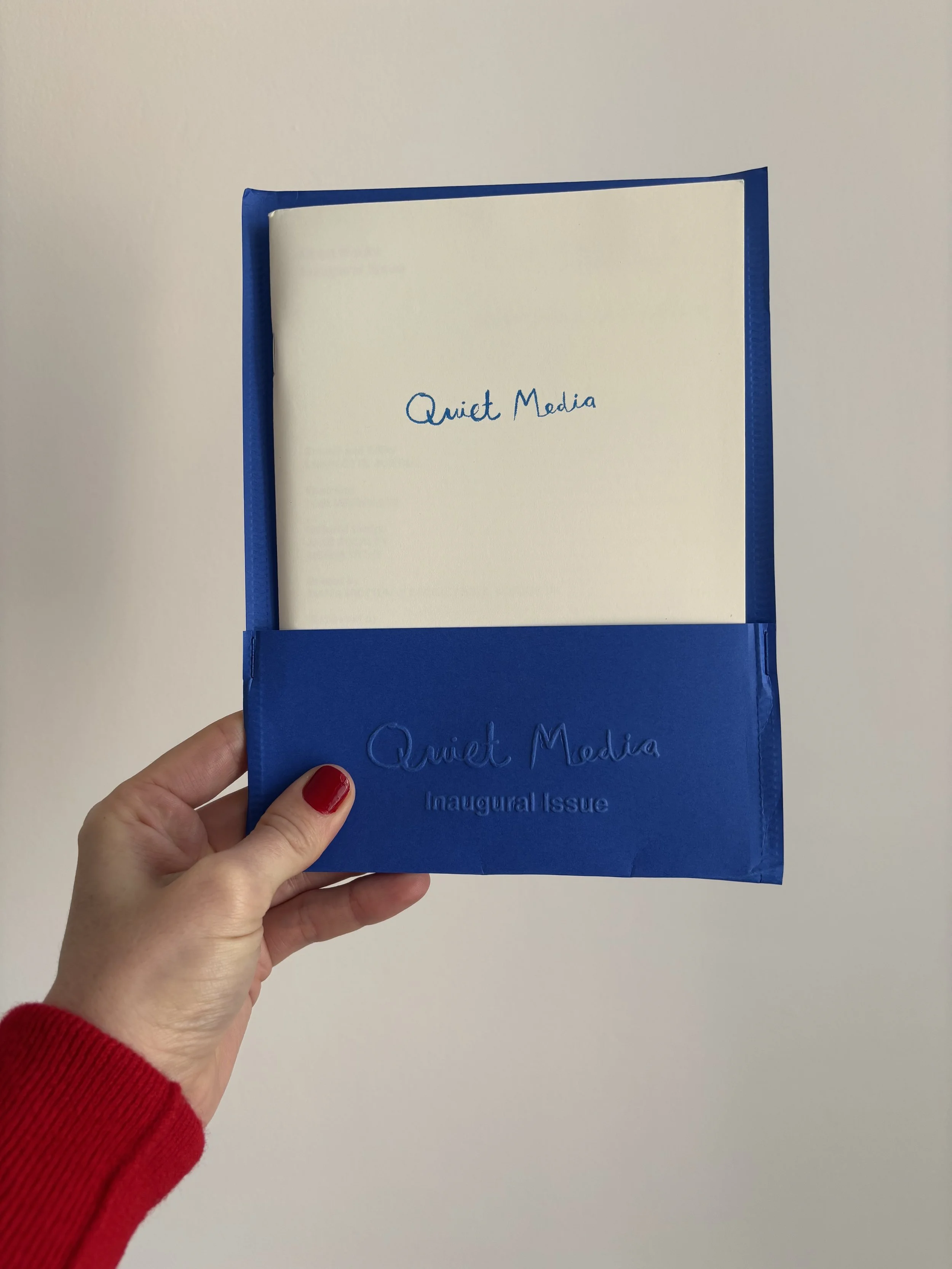
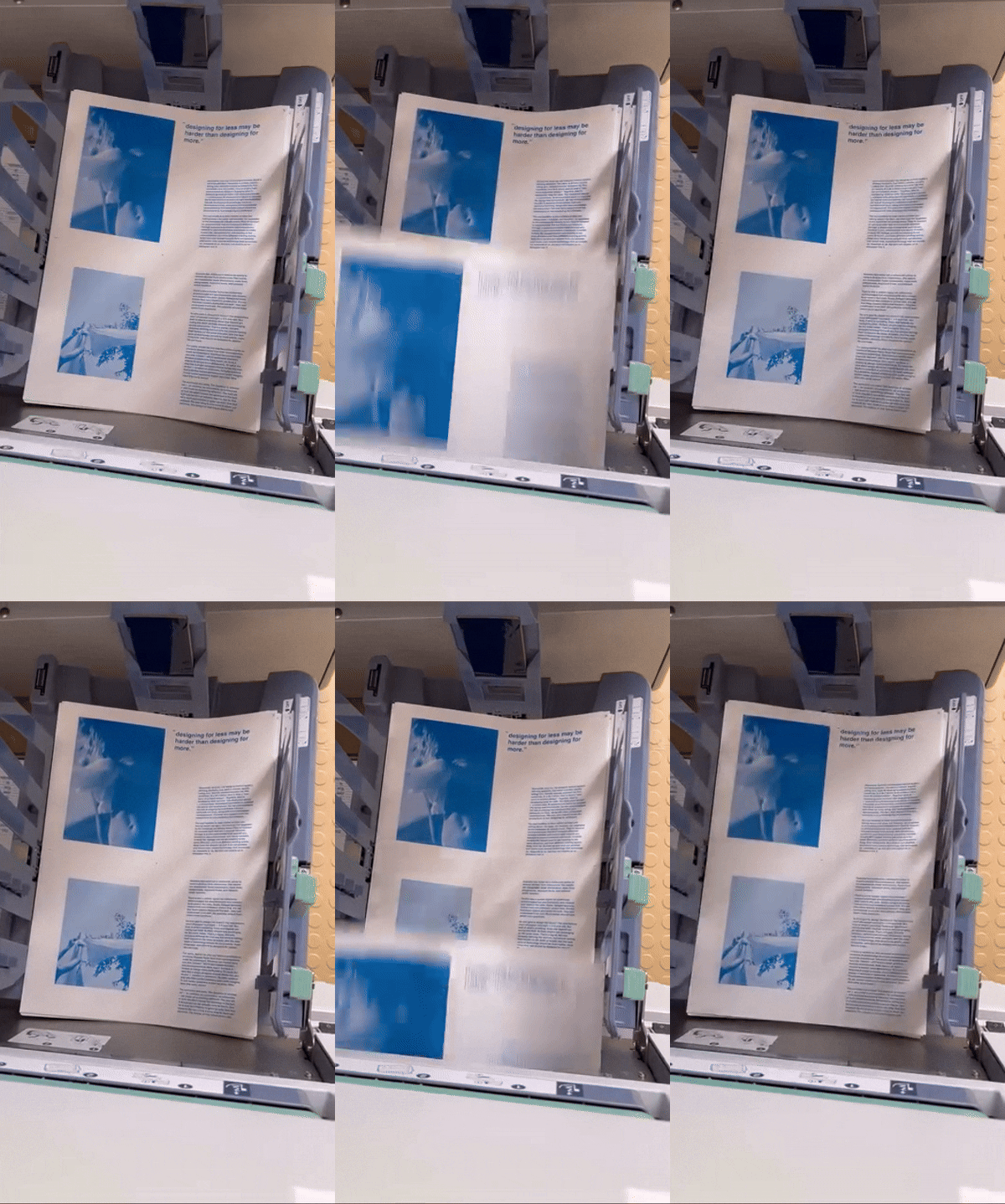
Published in Quiet Media — Charlotte Rubesa's inaugural printed edition on intentional brand communication — Say Less emerged from a pattern observed across creative brands: the relentless pressure to produce more content, across more channels, at greater speed, was creating the very noise it was trying to cut through.
The piece builds on an earlier essay, The Power of Quiet Influence, and develops it into a practical argument and actionable framework for brands willing to take the counterintuitive route.
The Challenge
Most brand strategy conversations around content start from the same assumption: more is more. More channels, more posts, more campaigns, more conversation starters. The challenge was to make the case — credibly, playfully and with real-world evidence — that strategic restraint is not just culturally interesting but commercially smart. And to do it in a way that gave brand leaders something concrete to act on, not just a big, bold provocation to nod at.
The Approach
The argument: built around a simple but underused insight — that communication is not a monologue. The best communicators know when to stop talking and start listening. Brands that treat social listening as a content generation tool rather than a genuine act of attention are missing the point entirely.
The evidence: anchored in real examples of brands that chose quiet and won. Bottega Veneta deleting their Instagram in 2021 and remaining on the LYST Index quarter after quarter. Fleabag ending at two perfect seasons. Kate Moss' lifelong commitment to never giving an interview. Nike's In the Margins Substack building 1,200 engaged subscribers by creating space for athlete stories rather than brand noise.
The framework: closed with a practical three-step Say Less Playbook — Cut It Out, Due Diligence, Pave the Way — giving brand leaders a concrete starting point for applying strategic restraint to their own content approach.
Results
Published in Quiet Media to a positive reception from its emerging readership of brand and communications leaders. The piece contributed to an ongoing conversation about intentional brand communication at a moment when content fatigue and platform anxiety were at a peak: 47% of 16-21 year olds reporting they would prefer a world without the internet.

Key Learnings
Counterintuitive arguments land hardest. "Shut up" is more memorable than "communicate better." The provocation creates the opening for the practical framework to follow.
Action-orientation matters. A think piece without a playbook is just an anxiety-inducing opinion. Pairing the argument with concrete steps — Cut It Out, Due Diligence, Pave the Way — is what makes it useful rather than just interesting.
The quiet brands are the loudest case studies. Bottega Veneta, Fleabag and Kate Moss don't need explaining to a brand audience. Letting the examples do the heavy lifting is its own demonstration of the say less principle.